
Requirements & product concept
Establish the task, location and operating conditions, then select or develop the right vessel or platform.
Operating requirements · options · general arrangementDESAIL provides vessels, offshore platforms and marine products tailored to your needs, from design and construction through to transport and delivery.
Explore how we work↓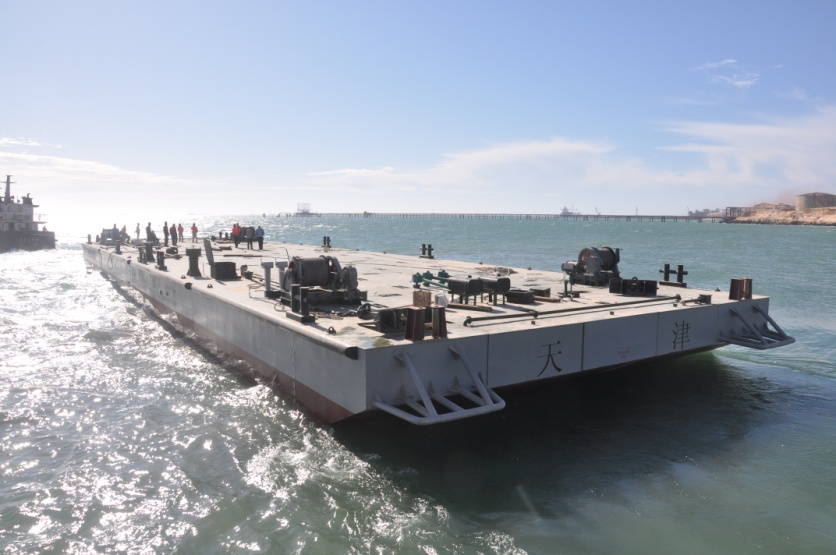
Start with an established design or develop a new arrangement. The operating task, site conditions and delivery requirements guide the solution.
Establish the task, location and operating conditions, then select or develop the right vessel or platform.
Operating requirements · options · general arrangementTranslate the requirement into a product design and bring its structure, equipment and systems together.
Product design · structure & equipment · system integrationPlan the transport, assembly and handover around the product and its destination.
Transport planning · site assembly · product handoverA modular floating structure combines separate watertight units through designed connections. A larger working platform can reach its location as smaller transportable sections.
The module size, connections and assembly method are designed for the project. Transport access and structural requirements shape the arrangement.
Set the arrangement around the task, loads and transport constraints.
Choose a land or water route suited to the modules and access conditions.
Connect the modules on land or afloat, according to the project plan.
Complete interfaces, system integration and the required project checks.
First establish what moves: separate modules, larger sections or a complete unit. Then choose the route and handling method. Modular and conventional structures can each use more than one transport mode.
Modules or sections travel by truck or trailer. Smaller complete units can also move by road where their size and the route allow.
Key considerations: dimensions, weight, route and site access.Modules, sections or complete units are carried on a ship or barge. Loading may use lifting, roll-on or float-on methods, depending on the cargo and carrier.
Key considerations: carrying capacity, handling method and terminal facilities.A complete floating unit can be towed by a tug. A self-propelled vessel can travel under its own power when suitable for the voyage.
Key considerations: stability, draught, voyage conditions and weather.Land transport, carriage and towage can be combined across the journey, with transfer and assembly at suitable locations.
Key considerations: transfer interfaces, handling facilities and final access.Illustrations explain transport principles. The actual method depends on the unit and project conditions.
Parametric platform development connects the requirement, model and early technical definition to support option review.
Explore custom development →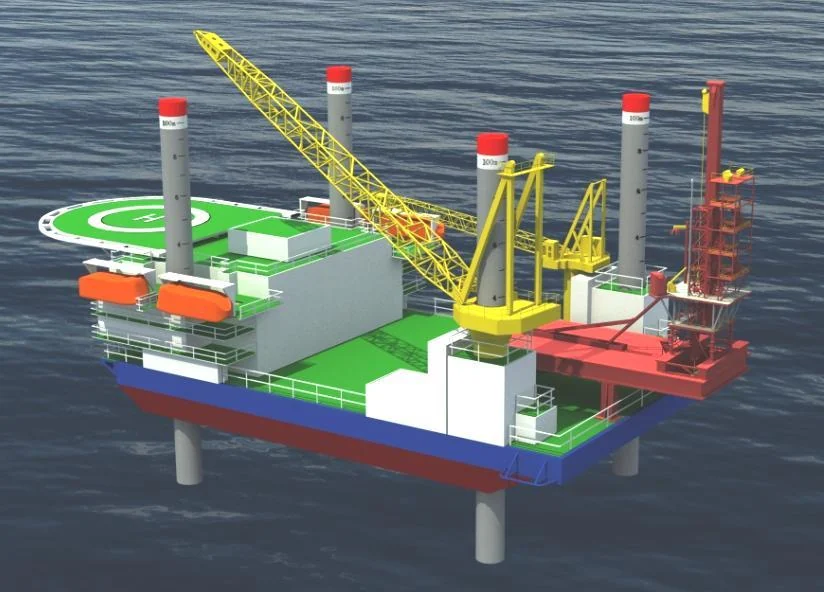
The operating task, location, payload, water depth and transport access establish the starting point. Existing drawings or reference material can help define the brief.
Discuss your project →Agree the operating objective and key constraints.
Compare feasible arrangements, equipment and transport routes.
Agree the product arrangement, delivery route and next steps.